All posts by dgfsadmin

Duluth Clivia Group

Please welcome the newest club of the Duluth Garden Flower Society!

Welcome to the Duluth Clivia Group

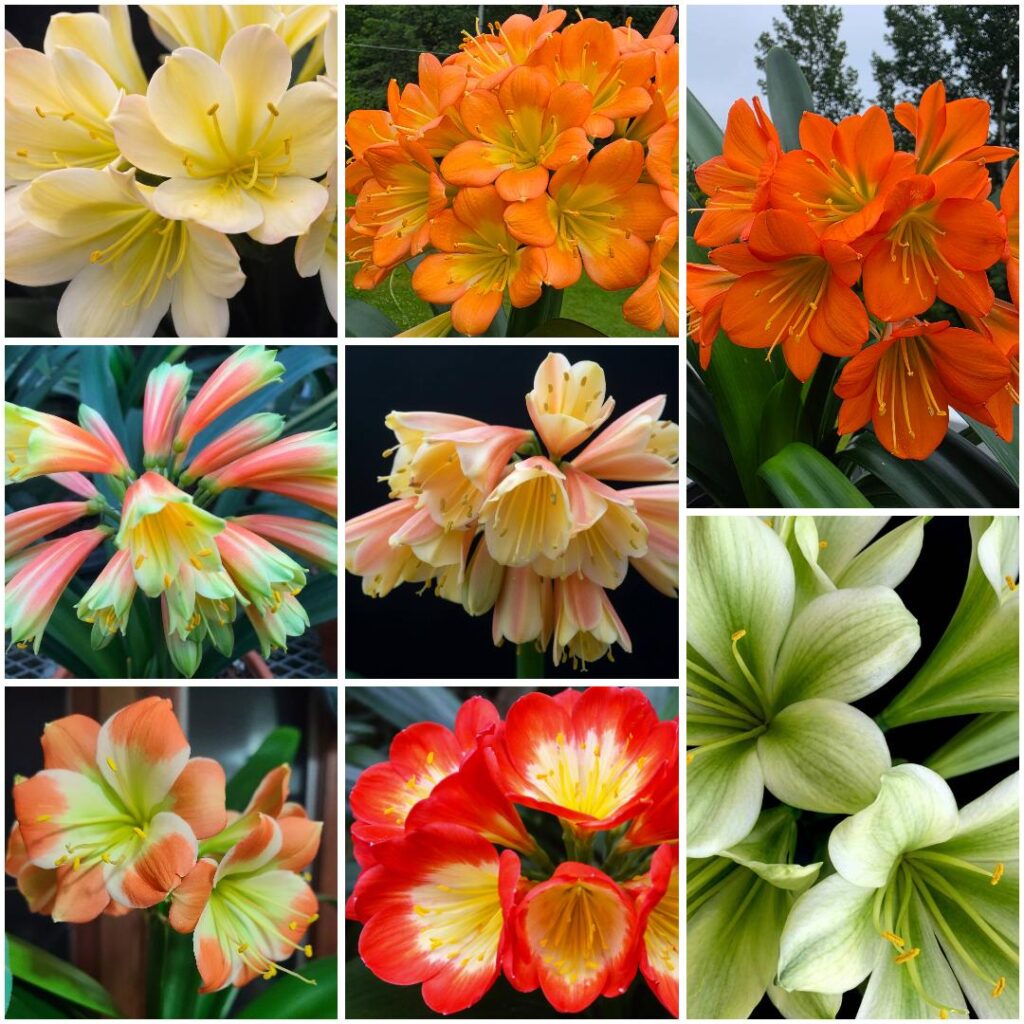
We are a small group of plant enthusiasts who share a passion for clivia, a member of the amaryllis family (You will love clivia if you grow amaryllis! ). Although we are just getting started, we hope to grow a community of people interested in learning about and enjoying these unique, beautiful plants.

Clivia are elegant yet resilient houseplants. They prefer bright, indirect light, as direct sun can scorch their leaves. Thanks to extensive breeding efforts, clivia now come in a wide range of colors and forms. Mature plants are drought-tolerant and can go weeks with minimal care, making them both beautiful and easy to maintain.

Clivia are generally easier to grow. They adapt to most well-drained potting mixes. Even when not in bloom, their lush green foliage makes an attractive addition to any space.

Clivia can be propagated by division or grown from seed. Their large seeds are easy to handle and can develop into mature plants with patience.

If you are interested in joining or learning more, please contact us at: duluthcliviagroup@gmail.com.
Next Meeting September 14

The next meeting of 2026 will be on Monday, September 14 at 5:30 p.m. This is the second Saturday of the month due to Labor Day. The public is welcome to attend this meeting. We will have a presentation by the Lake Superior Rose Society: History of Leif Erikson Rose Garden, Part II. The establishment of the new Rose Garden, opened in 1994, in Leif Erikson Park. Challenges, partnerships, and new creations.

Click the Calendar tab for meeting schedule.

Orchids in MN: What, Where, and How We Can Help Keep Them Around.

Join us for an exciting presentation at 1pm on Saturday, August 8th, at St. Andrew’s By-The-Lake on Park Point, 2802 Minnesota Ave, Duluth, MN 55802. The presentation is hosted by the Northland Orchid Society and Duluth Garden Flower Society. Our speaker is David Remucal, Ph.D., from the University of Minnesota.

Please RSVP by Wednesday, August 5th at noon to Richelle Murray, Northland Orchid Society Secretary/Treasurer and DGFS Secretary at duluthgardenflowersociety@gmail.com or by call/text at 218-260-6951.

Limited seating available. Please remember to RSVP. On street parking is limited.
Please carpool or use public transportation as necessary.

Orchids in MN: What, Where, and How We Can Help Keep Them Around.

Minnesota has several native orchids, both showy and not. In this talk, we will tour a little of the diversity of those orchids and explore what the University of Minnesota Landscape Arboretum is doing to help keep these treasures around. Orchids are a complex (and kind of finicky) part of many ecosystems in Minnesota. Researchers at the Arboretum are working to understand how to make orchids available for restoration and reintroduction, as well as how to increase their chances of survival. This work is similar to conservation work the Arboretum has been involved with for other plant species, but the extra complexity of orchid biology makes for some interesting hurdles for successful conservation efforts.

David Remucal, Ph.D.
University of Minnesota Landscape Arboretum
Delores E. Isaacson Curator of Endangered Plants Program Manager

Monarch Waystation Recognition

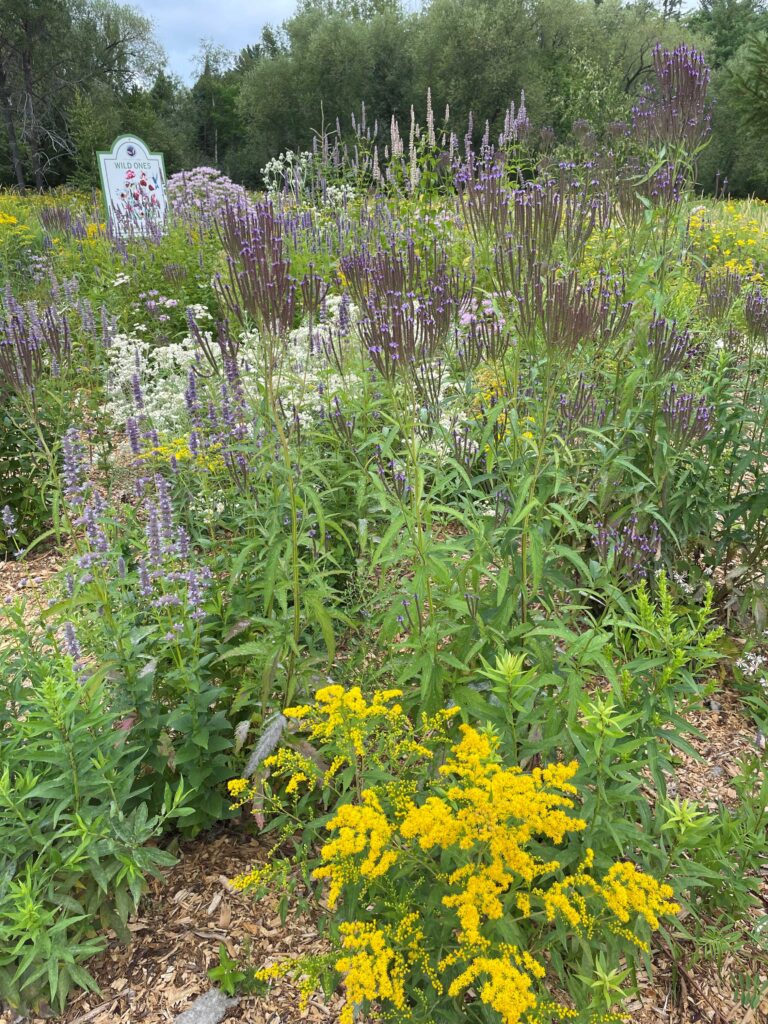
Did you know that Morgan Park has a garden of totally native plants and is registered by the Monarch Watch Waystation Program? It is located on the corner of Grand Avenue & Idaho Street.

The Idaho Peace Garden is sponsored and cared for by the Morgan Park Garden Club. This monarch waystation is managed for wildlife, not perfection. Native plants awaken slowly each spring and bloom in their own time, providing season-long beauty and essential habitat for monarchs, pollinators, birds, and other beneficial creatures. By leaving stems, seed heads, and natural cover through winter, we provide essential food and shelter for these pollinators.

Take some time to stop for a visit there and sit awhile with a lawn chair to enjoy some of the beauty there. Do not be surprised if you see some bees or butterflies stopping for visit. You may notice that the milkweeds and some of the other native plants are not blooming as of yet. But they will be blooming soon. Enjoy your visit.

Minnesota native plants naturally grow in our state and are well suited to our climate and soils. They need less care, help protect the soil, and provide food and shelter for wildlife and pollinators. Popular examples include: Bee Balm, Milkweed, Joe Pye Weed and many more….

What is a monarch waystation you ask? A Monarch Waystation is a specially designed garden that provides the essential food, shelter, and breeding habitats needed to support monarch butterflies during their multi-generational migrations. These habitats supply milkweed (the only plant monarch caterpillars eat) and other blooming nectar plants for adult butterflies to fuel their 3,000-mile journeys.

Monarch Watch Monarch Waystation Program – https://monarchwatch.org/waystations/